Scam Warning: Trustivo does not offer jobs via WhatsApp.
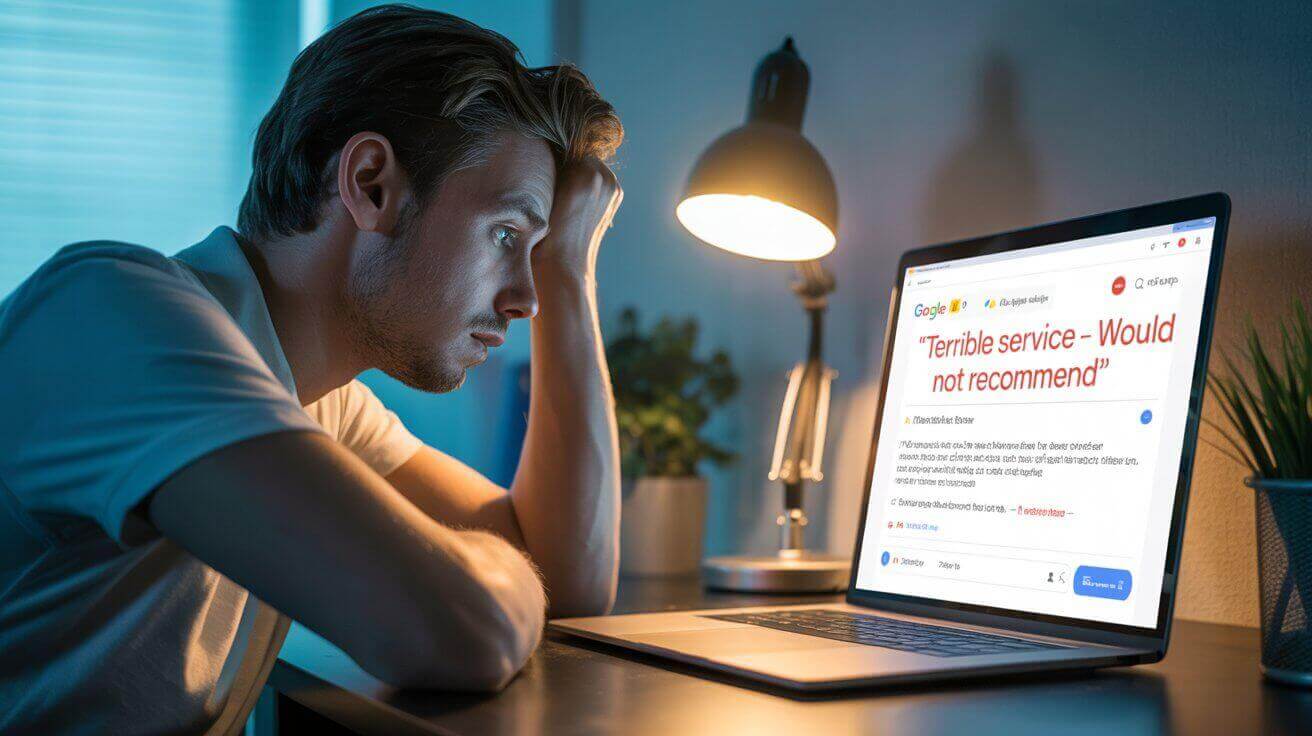
Your customers are checking your reviews before they even think about calling.
They’re Googling your name, scrolling through ratings and seeing what others say — all before you get the chance to speak to them.
That’s why online reputation management matters more than ever.
It’s what shapes your business’s first impression — whether it’s on Google, Yelp, Facebook, or anywhere else people search online.

📌 Online reputation management covers a few different things:
✅ Your reviews
✅ What shows up when people look up your business
✅ Business listings and profiles (like Google Maps or Yelp)
✅ Social media mentions and feedback
But unless you’re a big-name brand, big-time influencer or franchise… reviews are the part that matter most.
They’re what everyday customers actually look at and what helps them decide whether to choose you or scroll on.
In this guide, we’ll break down what online reputation management really means and answer questions like:
- What is brand reputation management?
- How does online reputation management work?
- Why is online reputation management important? (especially in 2026)
- What happens if you don’t manage your reputation?
- How much does online reputation management cost?
What is brand reputation management?
📌 Brand reputation management is exactly what it sounds like — managing how people see your business, especially online.
These days, that usually means reviews, search results, and what shows up when people Google your name.
It includes everything from:
- What people are saying in your reviews
- What rating your business has (across multiple platforms)
- What shows up when someone Googles your name
- Whether your business looks active, trusted and real
- And how your business responds when people leave feedback
For large brands, this can include PR, media coverage, influencer partnerships and social media monitoring.
But if you’re a local business, like a contractor, agency, hospitality venue or service provider — fortunately it’s much simpler.
👉 Your online reputation is largely your reviews and rating (especially if you’re a local business).
That’s why this guide focuses on the part that matters most: collecting and managing reviews to build that trust fast.
Why online reputation matters more than ever
If someone’s never heard of your business or brand before, the first thing they’ll do is look you up online. 🔍
Even if you were recommended by a friend, people still want to check that you’re real, trusted and worth their time.
They’ll scan your reviews, your rating and check how many other people have already used you.
It’s how they figure out if you’re the safe choice… or if they should keep looking.
👉 Now picture this:
They’re comparing two businesses. 👩🏻💻
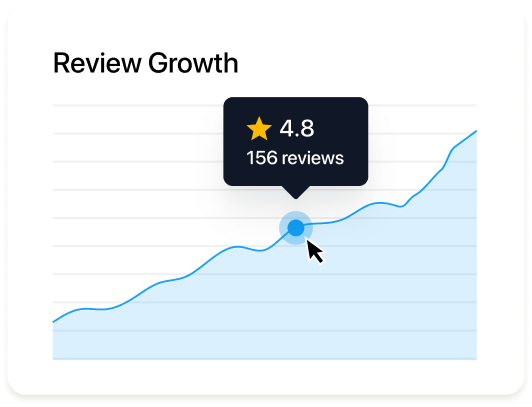
One business has 128 reviews and a 4.8-star rating. 💪🏼
The other business has a 5 star rating — but only 4 reviews and not much else about them online. 👀
💡 Even if the second one has better service, the first one looks more trustworthy with more reviews and a pretty decent rating still.
And in that moment, looking trustworthy is what gets you chosen.
People usually look at:
✅ Your overall rating
✅ How many reviews you have
✅ Whether the reviews seem real and genuine
✅ And then lastly, they may check how recent the reviews are
Your online reputation is the first real impression people get of your business or brand. And if it doesn’t hold up, they’ll scroll on to someone else.
How does online reputation management work?
It’s all about making sure the right people see the right things about your business online — especially when they’re deciding whether to choose your business or not. Here’s how it works:
1. Collecting more reviews consistently
👉 The goal is simple: get more online reviews from real customers.
You might ask for them through email, send a quick SMS or use an NFC product in person — but it only works if you do it regularly.
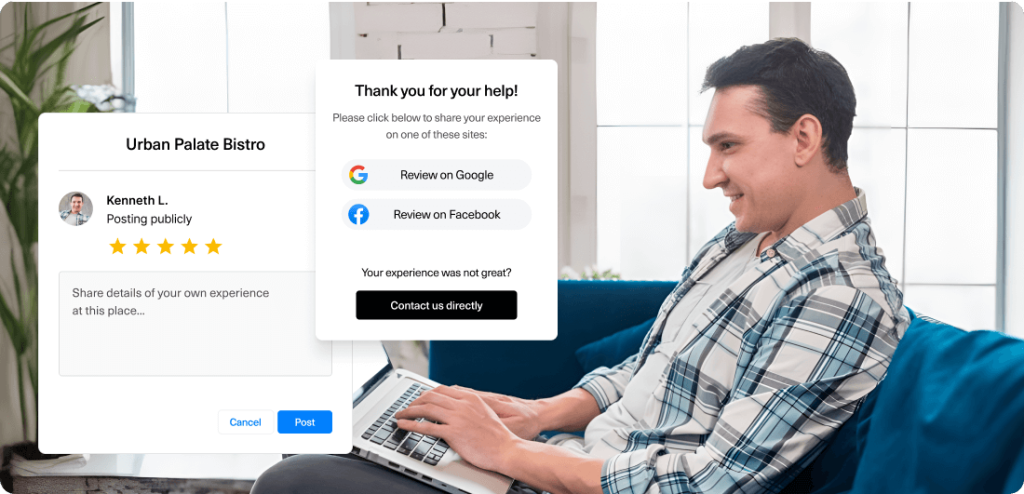
2. Making the review process easy for customers
No one wants to jump through hoops to leave a review.
📌 The best systems take people straight to your Google review, Yelp review or Facebook review page.
No logins, no searching around, no extra steps for your customers.
Tap cards and quick review links make this almost effortless.
3. Following up with people who don’t leave a review
👉 Not everyone leaves a review the first time they’re asked — and that’s normal.
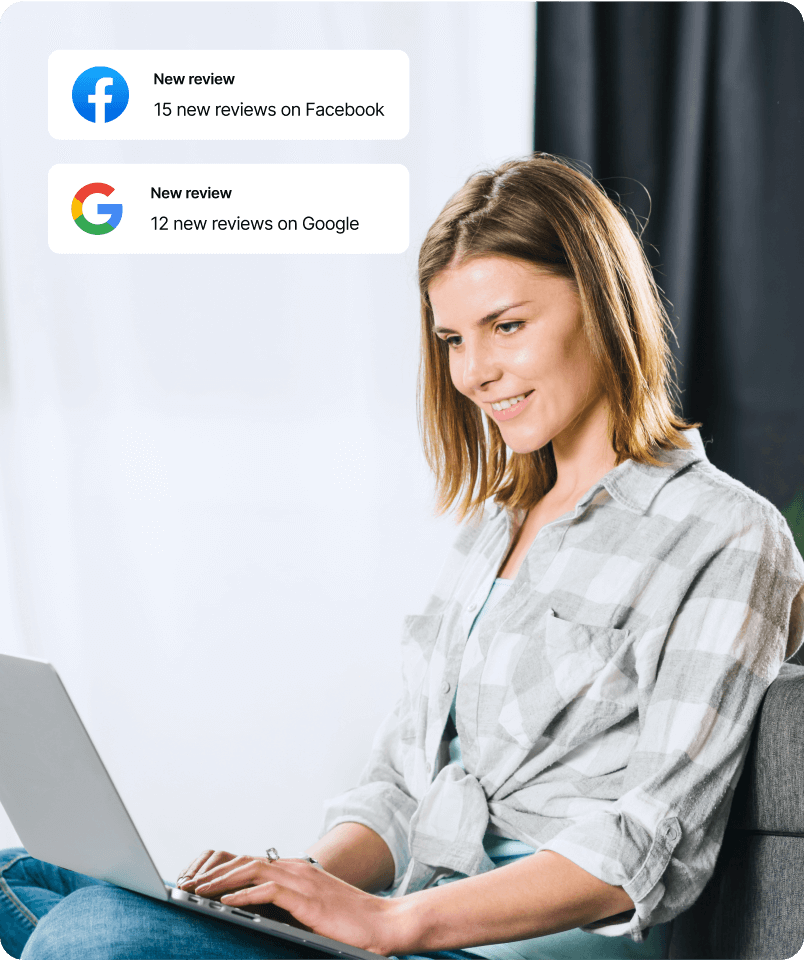
✅ That’s where automation helps. Smart follow-up messages (sent at the right time) can gently remind people to leave a review, without you needing to chase anyone up yourself.

4. Managing everything people see about your business online
Your reviews are key — but they’re not the only thing people notice.
When someone looks you up, they’ll also see your website, your search snippet, your Google Business Profile and maybe even your social media.
Reputation management means making sure those things all reflect well on your business, not just your reviews.
What happens if you ignore it
⚠️ If you don’t manage your reputation, you risk looking untested — or worse, untrustworthy.
Even one bad review can shape someone’s whole first impression of you if it’s one of the only things they see.
And if you have no reviews at all? People won’t take you seriously — and they usually won’t take the risk.
❌ No reviews means no trust.
❌ No trust means no customers.
❌ And no customers means no new business coming in.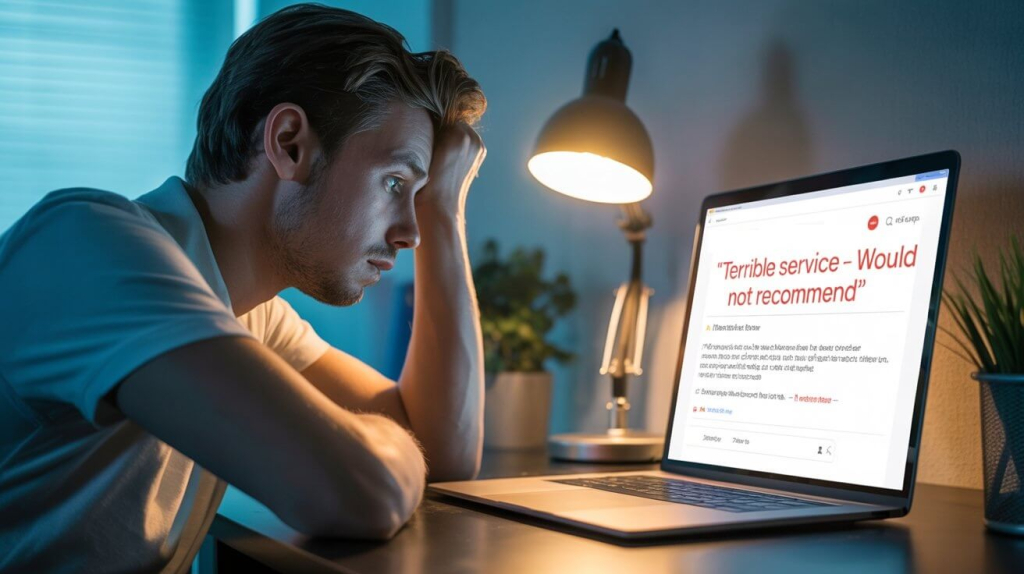
Build trust where it matters most
There are a lot of things that shape your reputation online — but for most businesses and brands, your reviews are what matter most.
👩🏻💻 Reviews the first thing people look at.
📍 They help you get found.
🫱🏻🫲🏼 And they’re what makes someone feel confident enough to choose you.
If you want a simpler, more consistent way to grow your reviews without extra admin, guesswork or having to ask everyone yourself — that’s where Trustivo comes in.
It sends review requests to your customers automatically, follows up with people who don’t respond and helps you show up with the trust people are looking for.
Because online, your reputation isn’t just what people say.
It’s what people see — and whether they choose your business because of it.
Start building trust on autopilot
👉 Try Trustivo free for 30 days
FAQs about reputation management
How much does online reputation management cost?
It varies. Some agencies charge $500–$2,000+ per month, depending on how much is involved (like PR, content monitoring or manual review management).
For most small businesses though, you don’t need all that.
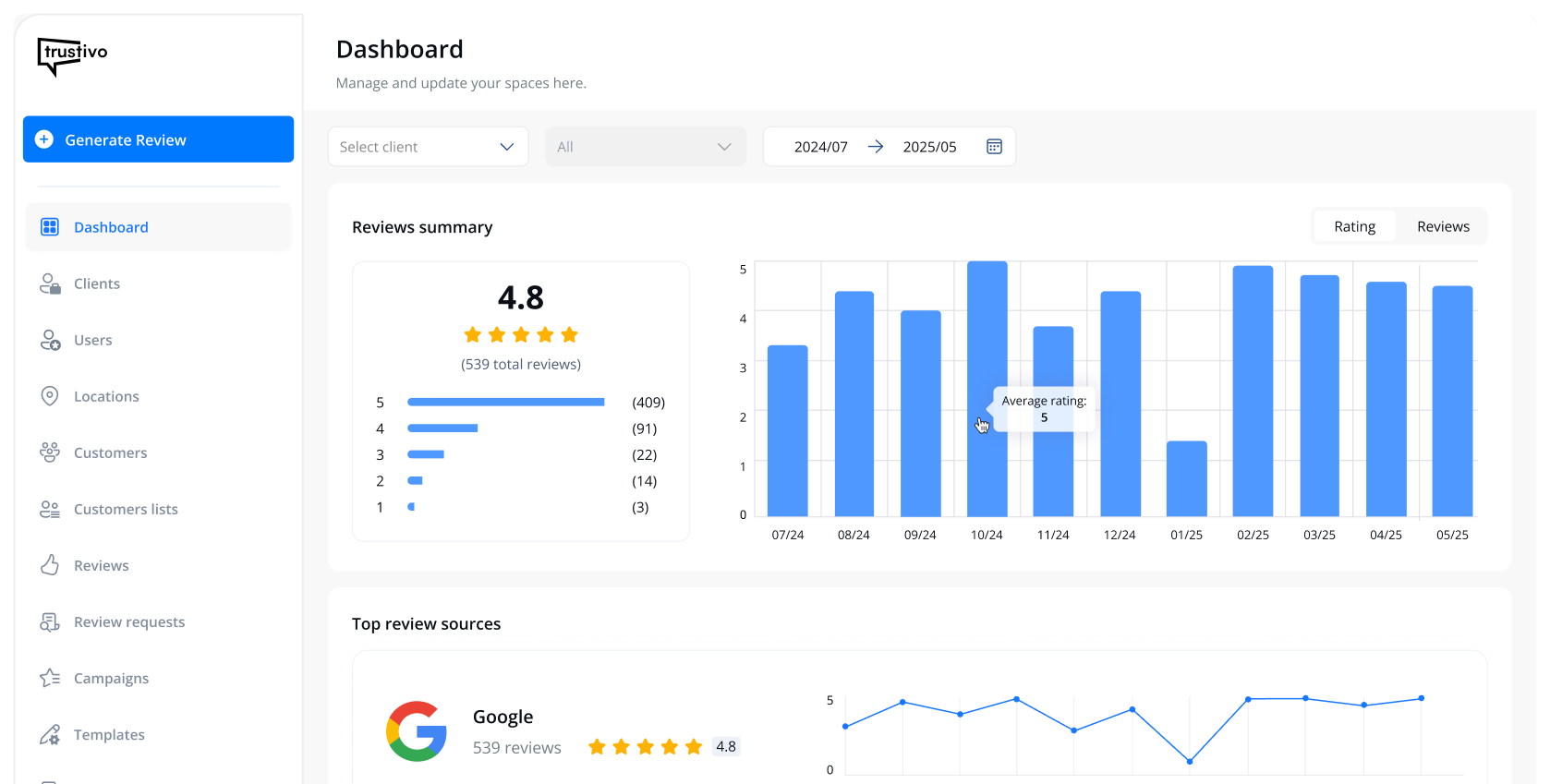
With review tools like Trustivo, pricing starts from $149/month — with everything you need to consistently collect, track and manage your online reviews.
What’s the easiest way to build a better online reputation?
Ask your happy customers for reviews, and do it regularly. That one habit builds trust faster than almost anything else.
The easiest way to stay consistent is using a system that sends review requests automatically and follows up for you (if people don’t respond) — so you’re not relying on memory or having to ask every customer yourself.
What platforms matter most for online reviews?
It depends on your industry and where your customers are looking.
For most local businesses, Google is the top priority and most well-known, and is where people usually look up your business name.
But platforms like Yelp, Facebook, TripAdvisor or industry-specific sites (like Zillow or Healthgrades) can also help you build trust with the right audience.
Trustivo works with all of these major review platforms — but if there’s a specific one you want to collect reviews for, just ask. We may be able to support it, even if it’s not listed yet.